Carly Houra
Creative Management & Production
2015. Animated Short. Directed by Lukas Schrank.
**WINNER - Best Documentary Short - Melbourne International Film Festival **
……
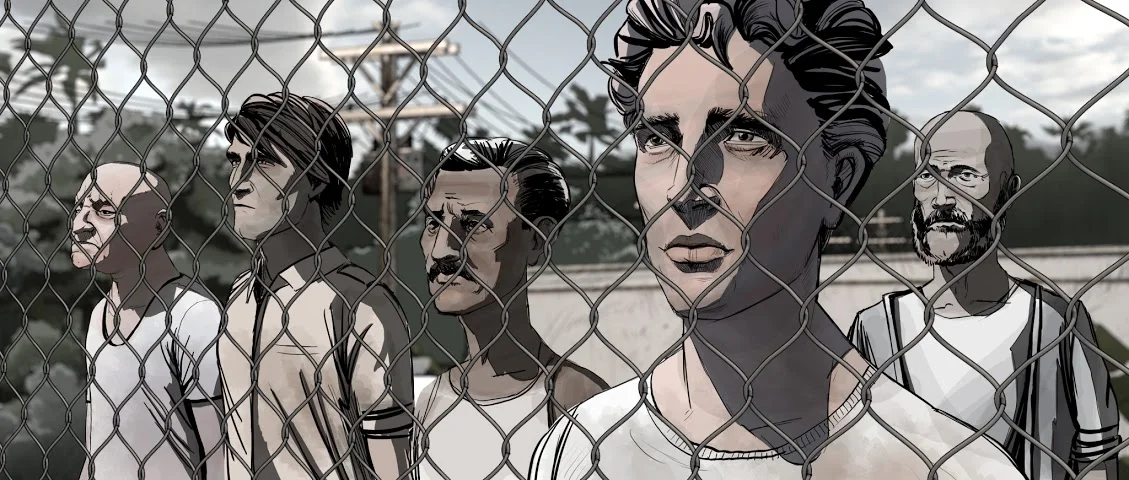
In October 2014, director Lukas Schrank made phone contact with two men, who were able to tell their stories from within the compound. Their interviews offer a chilling insight into the reality of life for the 2200 people currently being held in Australia’s offshore detention centres.
Our detainees speak of their struggle for survival, and attempts to avoid persecution in their home countries by seeking refuge in Australia. But like so many others, their journeys are ill fated.
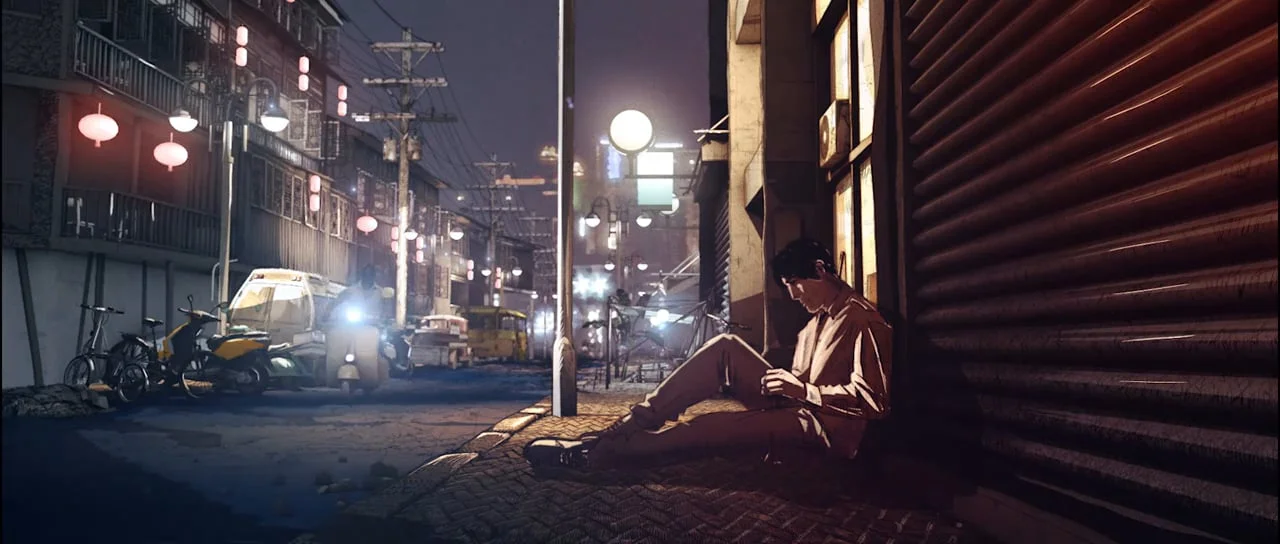
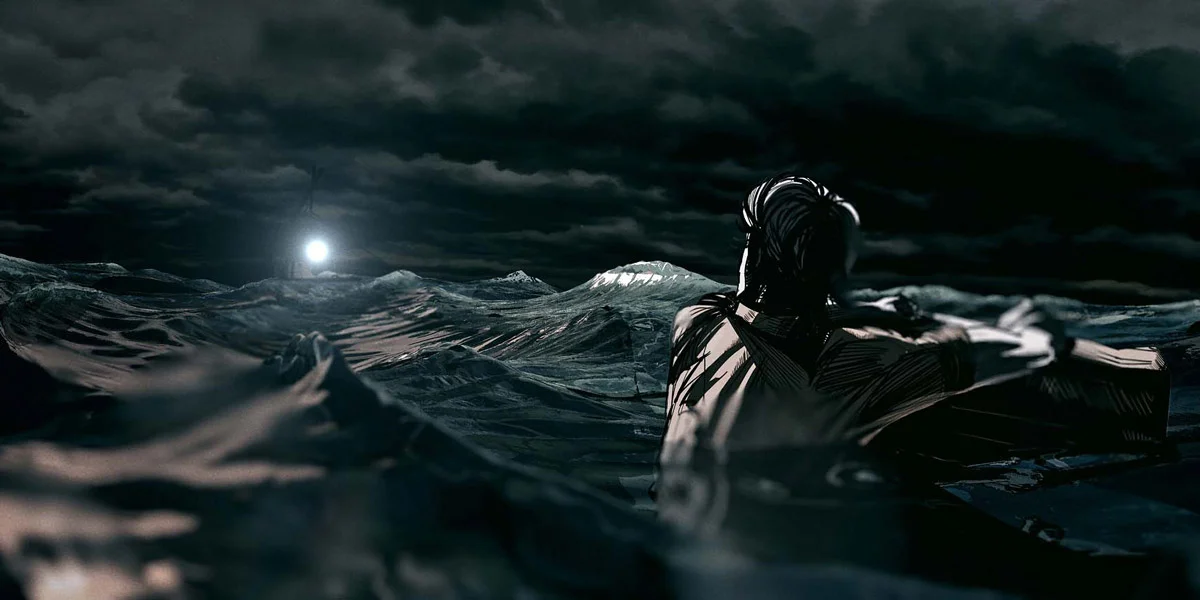
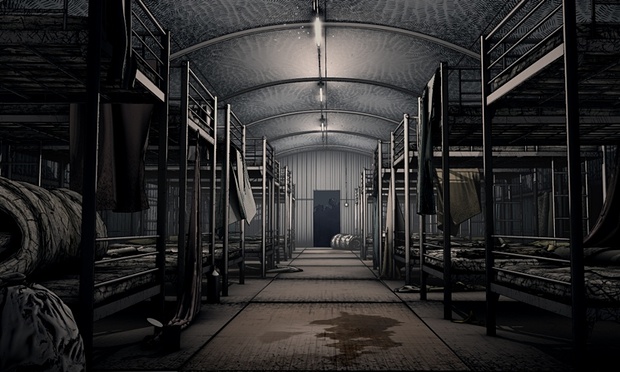
Their stories are the voice of the film, guiding the animation through the back-streets of Jakarta, across the sea, and deep into the fenced facility of the Manus Island Regional Processing Centre – the regrettable home for the men for the last 16 months.
On February 17, 2014, the Centre erupted in violent conflict between the locals and the detainees. Hundreds of detainees experienced serious injury, and 23 year-old Iranian asylum seeker Reza Berati lost his life. Nowhere Line tells the untold story of that night from inside of the facility’s fences.
By illustrating these journeys and giving air to their stories, this documentary short illuminates the compelling personal side to the human rights crisis faced by those seeking asylum in Australia. It reminds the audience that the search for asylum is but the search for survival.
To assist with the production and distribution of the film a crowd-funding campaign was launched. The campaign has been conceived to benefit those whose stories and journeys are at the heart of the film, and to hopefully make even the smallest difference to the lives of those in detention on Manus Island and Nauru.
Whilst conducting the research and interviews for the film, a simple need became clear. The detainees spoke at length of the struggle of daily life in detention, but also of the anguish and depression caused by inactivity and boredom. To help to make a difference, we are partnering with Good Hood, a community engagement organisation, and Humanitarian Research Partners to spend 25% of the funds raised for the film on sending items such as novels, language books, portable DVD players, toys and textbooks to the detainees. It is our hope that through providing these simple commodities, we will also provide those detained with the comfort of knowing that they are not forgotten.